



Dendrobium Orchid Species Crepidatum Without Flowers
per piece


Product details
Dendrobium Orchid Species Crepidatum
Dendrobium crepidatum is a fascinating species orchid known for its seasonal growth cycle, elegant flowers, and distinctive natural habit. One of the most interesting features of this orchid is its deciduous nature. As the plant enters dormancy, it naturally sheds its leaves. This is a normal part of its growth cycle and should not be mistaken for a health problem. After experiencing a suitable period of dormancy and rest, the mature leafless canes produce flowers, creating a beautiful seasonal display.
Natural Growth and Dormancy
Dendrobium crepidatum follows a clear seasonal rhythm of active growth followed by a resting period. During the active growing season, the plant develops new canes and foliage and gradually stores energy within its mature growths.
As the season changes and the plant enters dormancy, the leaves naturally turn yellow and drop from the mature canes. The canes may appear bare during this period, but they remain an important source of stored energy for the next flowering cycle. This leafless appearance is characteristic of many deciduous Dendrobium species.
The dormant period plays an important role in preparing the plant for flowering. Once the plant has completed its seasonal rest and receives suitable environmental conditions, the mature canes can produce flower buds, often before new leafy growth becomes prominent. This makes the transition from a bare, dormant plant to a flowering orchid particularly rewarding for growers.
Flowers
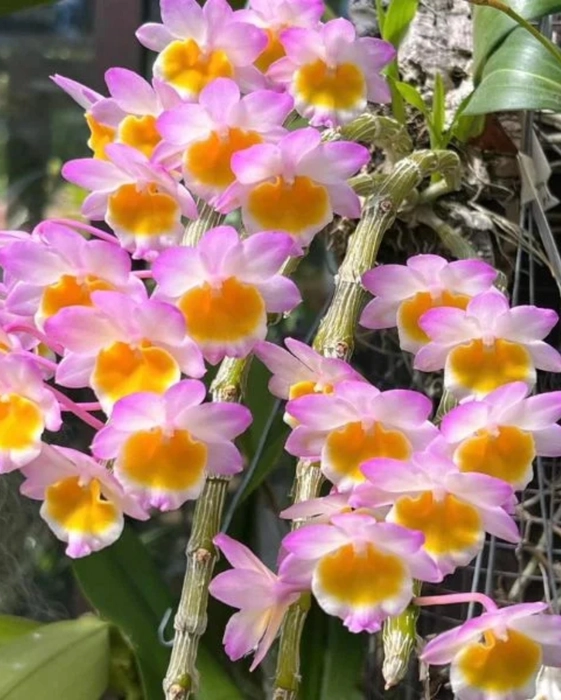
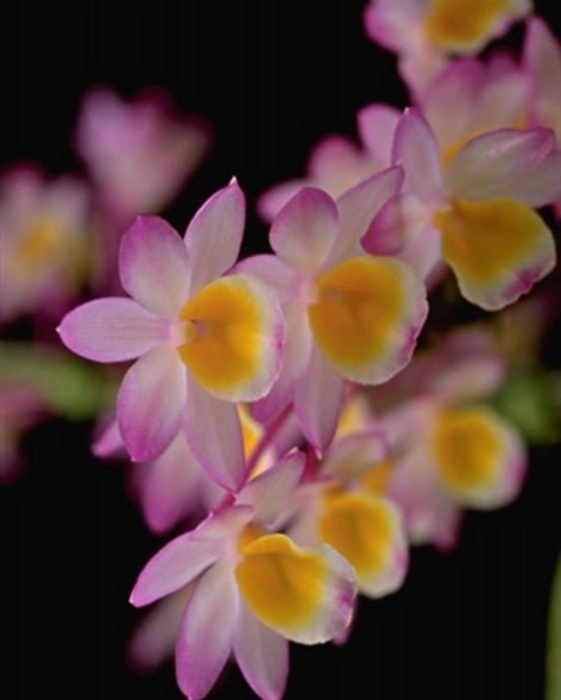
Dendrobium crepidatum is admired for its attractive flowers, which are produced along the mature canes. The flowers have an elegant, refined appearance and stand out beautifully against the otherwise leafless canes during the flowering season.
The flowering habit is one of the most appealing characteristics of this species. Rather than continuously flowering throughout the year, it follows a seasonal pattern, making its bloom period something to anticipate.
A mature plant in flowering can create a charming display, with flowers emerging along the previously dormant canes. The contrast between the bare stems and fresh blooms is a distinctive feature of this orchid.
Growing Habit
Like other Dendrobium orchids, Dendrobium crepidatum has pseudobulb-like canes that serve as storage organs. These canes accumulate nutrients and water during active growth and subsequently support the plant during dormancy and flowering.
The older canes should not automatically be removed simply because they have become leafless. Even after losing their leaves, mature canes can continue to contribute stored resources to the plant and may play an important role in future flowering.
Understanding this natural growth cycle is essential when growing Dendrobium crepidatum. The plant should be observed according to its seasonal stage rather than treated as though it needs constant growth throughout the year.
Seasonal Care
During active growth, the plant benefits from appropriate watering, nutrition, air movement, light, and humidity to encourage healthy development and energy storage.
As the plant approaches dormancy and begins losing its leaves, watering and feeding requirements naturally change. The reduction in foliage means the plant uses less water, and excessive watering during dormancy can create unfavorable conditions around the roots and canes.
The dormant period should therefore be understood as a resting phase rather than a period of decline. Once growers recognize this natural behavior, the leaf drop becomes an interesting part of the plant's annual cycle rather than a cause for concern.
When the plant begins showing signs of renewed flowering activity, watering can gradually be adjusted according to its changing requirements and the prevailing growing conditions.
An Orchid for Species Collectors
Dendrobium crepidatum is particularly appealing to orchid enthusiasts who enjoy observing natural growth cycles and seasonal flowering behavior. Unlike orchids that maintain lush foliage throughout the year, this species provides a more dynamic growing experience, allowing growers to observe distinct stages of growth, dormancy, and flowering.
Its deciduous habit also makes it an excellent example of how orchids adapt to seasonal changes in their natural environment. The plant stores resources during active growth and utilizes those reserves during its resting and flowering phases.
For collectors of Dendrobium species orchids, Crepidatum offers both botanical interest and ornamental value. Its seasonal flowering habit, attractive blooms, and distinctive deciduous growth make it a memorable addition to a diverse orchid collection.
Important Natural Characteristic
Do not be concerned when Dendrobium crepidatum sheds its leaves during dormancy. Leaf loss is a natural part of its seasonal cycle. The mature canes can remain leafless during the resting period and later produce flowers when the appropriate seasonal conditions return.
This unique transition—from leafy active growth, to leafless dormancy, and finally to flowering—is one of the defining characteristics that makes Dendrobium crepidatum an interesting species orchid to grow and observe.
Dendrobium crepidatum is therefore not simply valued for its flowers; it is appreciated for the complete seasonal journey of the plant and the fascinating way it responds to changing environmental conditions.


